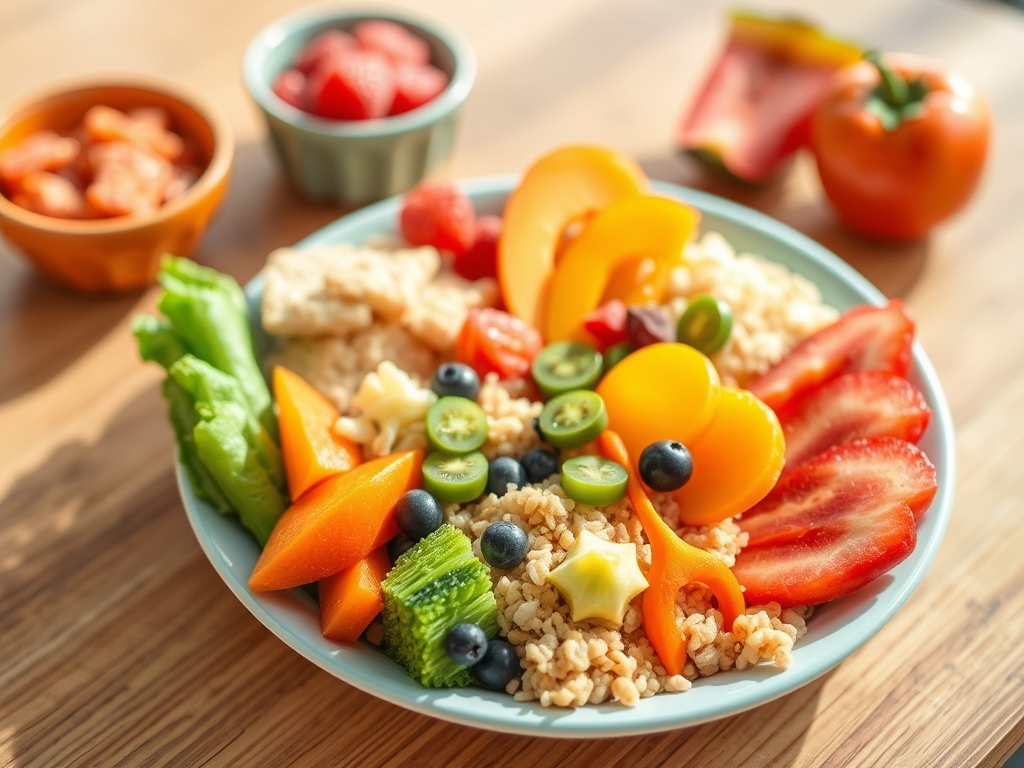
One of the most common parenting struggles around mealtime is figuring out how much food your child actually needs. Too little, and you worry about nutrition; too much, and you face leftovers, overeating, or guilt. The truth is — portion sizes for children aren’t a one-size-fits-all matter.
I still remember when my niece was four — she would take three spoonfuls of rice and be “done,” leaving me baffled about whether she was eating enough. After a bit of reading and speaking with her pediatrician, I realised something every parent should know: children’s appetites can vary not just by age, but by growth spurts, activity levels, and even the time of day.
Why Portion Control Matters?
- Prevents Overeating: Oversized portions can encourage kids to eat more than their bodies need.
- Supports Healthy Growth: Adequate but not excessive nutrition supports proper physical and mental development.
- Builds Healthy Habits Early: Kids who learn to eat the right amounts tend to maintain better eating habits as adults.
Research from the American Academy of Pediatrics shows that children given smaller, age-appropriate portions are more likely to listen to hunger cues and stop eating when full — a habit that significantly reduces the risk of childhood obesity later in life.
Portion Size Basics for Different Ages
Here’s a simple rule of thumb many nutritionists recommend:
- Portion size ≈ size of your child’s fist (for most foods)
- Protein portions: about the size of their palm
- Fruits/vegetables: about the size of their cupped hand
- Grains: about the size of their fist
This method is easy because it grows with them — quite literally.
Making Portion Control Fun and Stress-Free
Kids don’t always respond to “rules,” but they love games and visuals. Try these interactive ideas:
- The Colour Plate Game: Fill half the plate with colourful vegetables or fruits, one quarter with grains, and the other quarter with protein.
- Serve in Fun Dishes: Smaller plates naturally encourage smaller portions.
- Self-Serve Stations: Allow children to serve themselves from small bowls — they’ll learn to estimate portions and control intake.
- Listen & Adjust: Some days, they’ll eat more, some less. Trust their appetite unless there’s a medical reason to monitor closely.
Avoiding Common Portion Pitfalls
- Using adult-sized plates for kids — it tricks the brain into thinking more food is “normal.”
- Finishing every bite pressure — forcing them to clear the plate can override natural hunger signals.
- Mistaking snacks for meals — snacks should be smaller, balanced mini-meals, not meal-sized portions.
Final Thoughts for Parents
Portion sizes aren’t about restricting your child’s eating — they’re about matching food to their real needs so that they grow strong, healthy, and happy without food becoming a battleground.
At Mealhey, we understand how tricky this can be for busy parents. That’s why our freshly prepared vegetarian and egg-based lunches are thoughtfully portioned to suit growing children — meeting their nutrition needs without overwhelming their plates.
📌 Make mealtime stress-free — join The Mealhey Club today!
Subscribe Now to give your child balanced lunches every school day.
 The Mealhey Journal
Leave a comment