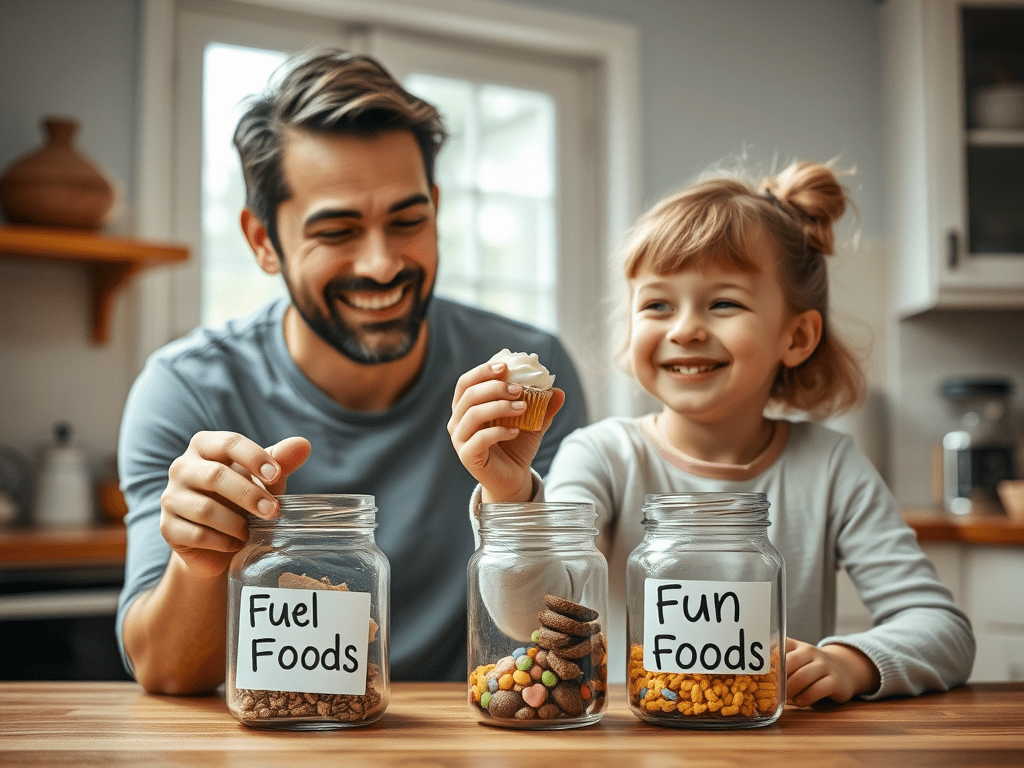
Last Friday, I picked my daughter up from school and she excitedly waved a cupcake in my face. “It’s from Ella’s birthday!” she said, frosting already on her chin. A few years ago, I might’ve said, “You’ve had too much sugar today — no more sweets tonight.”
That would have led to sulking, maybe even tears. Now? I just smiled, asked her about the party, and we enjoyed dinner as usual.
Why the change?
Because I learned that restricting treats too harshly can actually make kids want them more.
The Psychology Behind Food Battles
Studies in child nutrition consistently show that when parents overly control access to “fun foods” (desserts, chips, candy), children may:
- Become more fixated on those foods.
- Overeat them when they do get access.
- Associate treats with rebellion or secrecy.
📊 Research from the University of Michigan found that children whose parents were overly restrictive about sweets consumed 26% more sugar at friends’ houses compared to kids whose parents allowed occasional treats at home.
Why Balance Matters?
- Teaches moderation instead of fear
Kids learn that treats aren’t “bad” — just not everyday fuel. - Prevents power struggles
The less we fight over dessert, the less emotional weight it carries. - Encourages self-regulation
Over time, children can listen to their own fullness cues rather than relying on parental “yes” or “no.”
5 Ways to Balance Treats Without Drama
- Create a Routine
Have set times for treats — like Saturday afternoon baking or Friday night dessert. Kids know it’s coming, so they’re less likely to beg randomly. - Serve Treats Alongside Meals
Instead of making dessert a reward for eating veggies, put a small cookie on the same plate as lunch. It removes the “earn it” mindset. - Avoid Using Food as a Bribe or Punishment
“If you eat your broccoli, you can have ice cream” can make broccoli the enemy and ice cream the hero. - Model the Balance
Show your child you can enjoy one piece of chocolate and move on. Kids notice more than they listen. - Talk About Fuel vs. Fun Foods
Use simple language:- Fuel foods: Give your body energy to play, think, and grow.
- Fun foods: Tasty extras we enjoy sometimes for pleasure, not fuel.
A Simple Home Activity
The “Menu Jar” Game
- Have two jars: one labeled Fuel Foods, one labeled Fun Foods.
- Cut pictures of foods from magazines and have your child sort them into the right jar.
- Once a week, “pick” a fun food from the jar to enjoy together.
This turns treats into a planned, positive experience rather than a negotiation.
Where Mealhey Fits In?
Mealhey makes it easy to balance your child’s diet — because you know lunch is always a fuel food that’s nourishing, balanced, and free from hidden junk.
That way, when treats pop up (and they will), you can say “yes” without guilt, knowing the rest of the day’s nutrition is solid.
The Mealhey Journal is here to give you practical tips like these so you can raise healthy, happy eaters — without turning mealtimes into battles.
And when you’re ready to free yourself from the daily lunch-packing grind, we’re here with fresh, wholesome meals that pass every parent’s “peace of mind” test.
📩 Make lunch the easiest part of your parenting day. Subscribe to Mealhey’s lunch plans here.
 The Mealhey Journal
Leave a comment