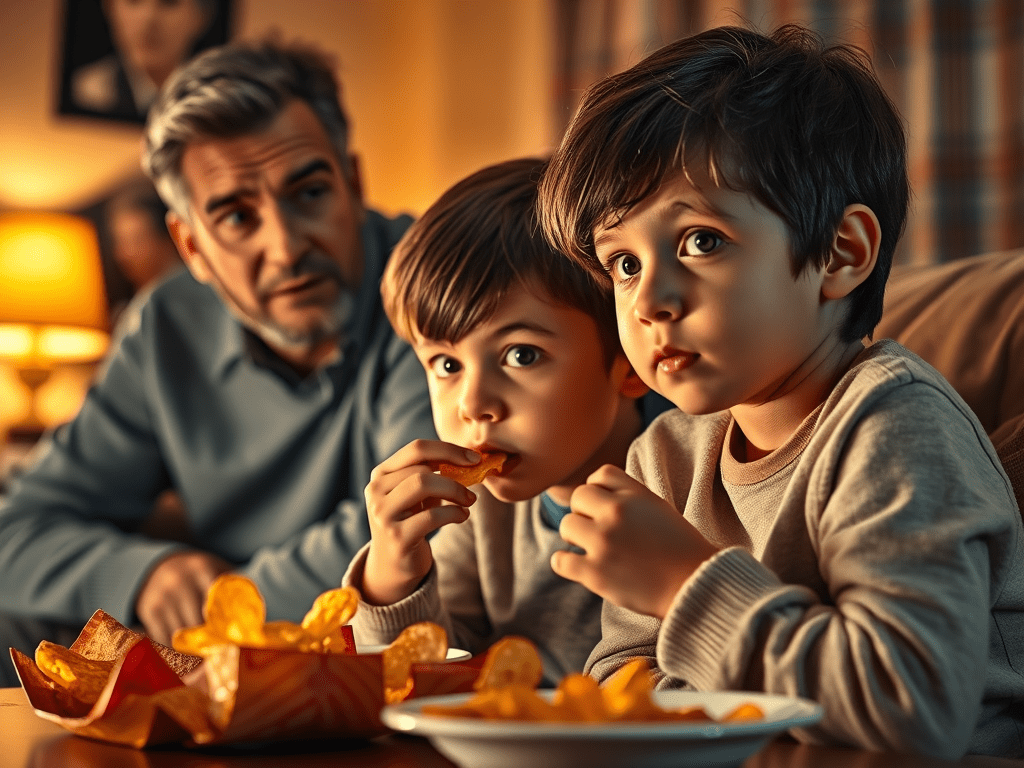
As parents, we often worry if our children are eating enough. But have you ever wondered if they’re eating for the right reasons? Not all hunger is physical. Sometimes, kids eat because they’re bored, upset, or looking for comfort—what experts call emotional eating.
Let’s break it down in a simple, relatable way.
What Is Emotional Eating?
Emotional eating is when a child eats to deal with feelings rather than real hunger.
📌 Simple Example:
Your child finishes lunch, and just 15 minutes later, they ask for a snack. When you ask if they’re hungry, they say, “I’m just bored.” That’s emotional eating.
Common Triggers for Emotional Eating in Kids
- Boredom – “There’s nothing to do, so I’ll eat.”
- Stress/Pressure – From school, homework, or peer issues.
- Sadness or Loneliness – Especially if they’re feeling left out.
- Tiredness – Fatigue can sometimes feel like hunger.
- Reward Culture – “If you behave, I’ll give you chocolate.”
Signs to Watch For
- Snacking soon after a meal (with no real activity in between).
- Asking for food only during screen time or when they’re idle.
- Getting cranky or upset when told “no” to snacks.
- Eating in secret or sneaking food at odd hours.
- Saying “I’m hungry” without touching their main meal.
Real-Life Scenarios:
- Case 1: Kavya, a 7-year-old, asks for chips whenever she starts homework. Her mom notices it’s her way of delaying tasks she finds stressful.
- Case 2: Arjun, age 10, munches constantly during TV time—not because he’s hungry, but because snacking has become a habit tied to watching cartoons.
How Can You Help?
1. Talk About Emotions (Without Lectures)
Say: “Sometimes we feel like eating when we’re actually bored or sad. Want to talk about what you’re feeling?”
2. Set a Routine
Scheduled meals and snack times give children predictability and reduce unnecessary eating.
3. Introduce “Boredom Busters”
Have a boredom box with coloring books, puzzles, building blocks, or DIY crafts. Redirect their energy.
4. Keep Junk Food Out of Reach
Keep fresh fruits, roasted nuts, or whole-grain options accessible instead.
5. Use Non-Food Rewards
Praise, playtime, or stickers work better than chocolate or chips for good behavior.
6. Model It Yourself
Children imitate what they see. If you eat in front of screens or snack emotionally, they will too.
What Mealhey Believes?
At Mealhey, we understand that food is not just fuel—it’s an emotional experience for kids too. That’s why we design school meals that are not only nutritious but comforting and familiar, reducing the urge to snack unnecessarily.
Let’s help our children build a healthy relationship with food—one that listens to the body, not boredom or stress.
 The Mealhey Journal
Leave a comment