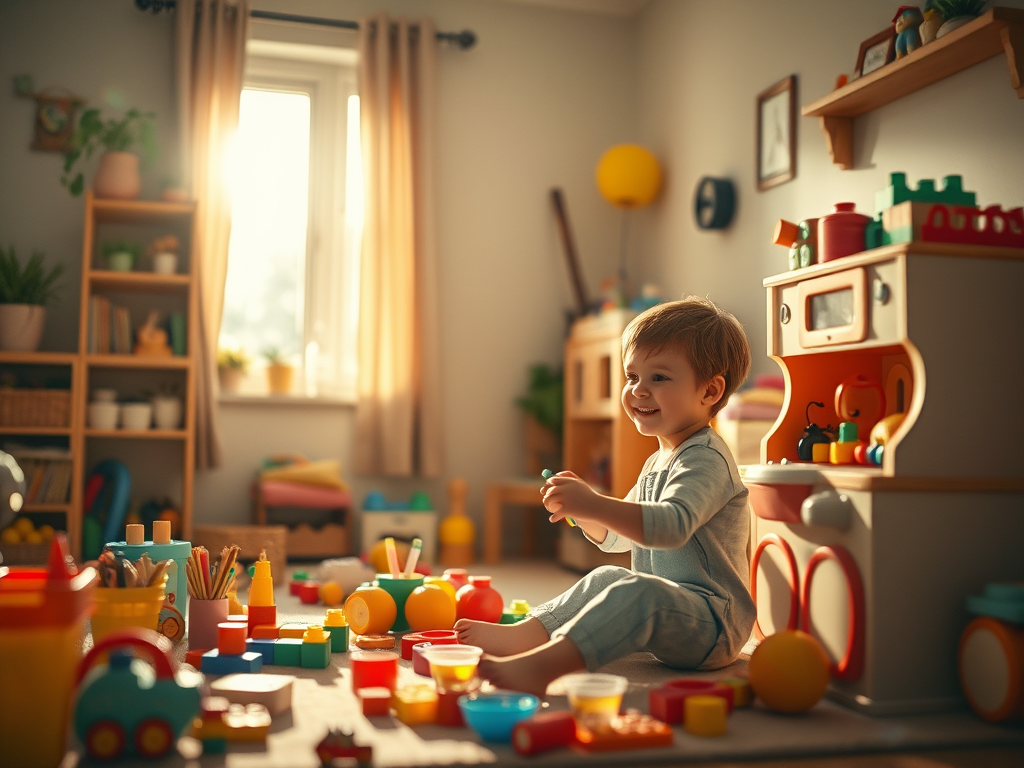
Because play isn’t just fun—it’s fundamental.
In a world driven by schedules, homework, and screen time, it’s easy to overlook the importance of play in a child’s life. But here’s the truth: play is not a luxury—it’s a necessity. It fuels imagination, builds social and emotional skills, and even supports better learning outcomes.
So how do you build a play-first culture at home without letting go of structure or discipline?
1. Understand Why Play Matters
Play is how children process the world around them. Whether it’s pretend play, physical games, or building with blocks—it all supports critical brain development.
Example: When your child builds a Lego tower, they’re learning planning, balance, and problem-solving—all while having fun.
2. Create a “Yes” Space for Play
A play-first culture starts with giving kids the freedom to explore. Designate a corner of your home for free play, where your child can make a mess, express creativity, and feel safe.
Example: A simple mat with crayons, toy kitchenware, or building blocks goes a long way.
3. Schedule Play Like You Do Homework
Just like meals and schoolwork, play needs its own time. Carve out 30–60 minutes daily for unstructured play—even during the week.
Example: Let them choose: Will it be dressing up, building a fort, or playing ball in the hallway?
4. Join the Fun
Children love when parents play along. It strengthens bonds and makes them feel seen and valued.
Example: Let them “serve” you a meal from their toy kitchen or join their make-believe world as a silly monster or patient student.
5. Reduce Digital Distractions
Creating a play-first culture also means setting screen boundaries—for you and your child.
Example: Have phone-free zones or “screen holidays” on weekends. Replace screen time with puzzles, painting, or gardening.
6. Celebrate Effort, Not Just Achievement
Play isn’t about winning—it’s about trying, failing, and laughing. Applaud effort and imagination instead of only results.
Example: If they build a crooked paper house, cheer for the creativity, not just how perfect it looks.
7. Rotate Toys to Avoid Boredom
Too many toys can be overwhelming. Rotate toys every few weeks so that old toys feel new again.
Example: Store half the toys away and switch them out monthly—it keeps things fresh without spending a rupee!
8. Balance Play With Rest
A play-first culture doesn’t mean nonstop activity. Downtime is equally important.
Example: After a fun session, have quiet time with a storybook or some soft music.
Final Thought
Creating a play-first culture isn’t about buying expensive toys or creating elaborate routines. It’s about making play a priority, being present, and giving your child space to grow emotionally, socially, and creatively.
“Play is the highest form of research.” – Albert Einstein
Encouraging kids to play before anything else isn’t just fun—it’s foundational. Active play develops physical health, creativity, problem-solving, and emotional intelligence. By putting play first, you’re giving your child the best head start for a balanced life.
But What About When They’re Tired or Hungry?
That’s where Mealhey steps in.
We understand that kids can’t play, learn, or grow on an empty stomach. That’s why we deliver hot, healthy, home-style lunches just 10 minutes before lunchtime—right at their school gate or front door.
Mealhey takes the guesswork out of mealtime, so your child can stay focused, fuelled, and full of energy to explore the world through play.
Subscribe to Mealhey Today!
Join The Mealhey Club and make healthy eating effortless for your child.
Let us take care of lunch—so you can focus on what matters most: their happiness, health, and growth.
 The Mealhey Journal
Leave a comment