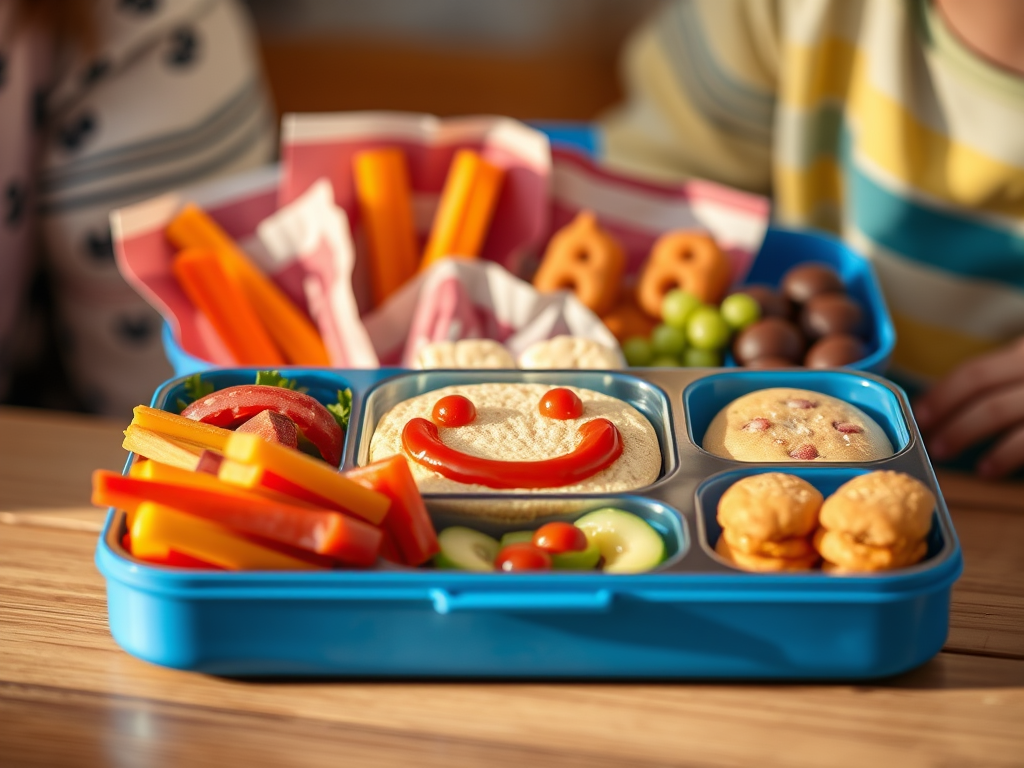
Because their little comments tell big stories
“How come her lunch smells better than mine?”
“Why do I always get the same thing?”
“Can I please get something crunchy tomorrow?”
“My friend’s lunch had a smiley face!”
When kids talk about their lunch, they’re not just chatting—they’re revealing what matters to them. Their comments, whether funny, picky, or quietly thoughtful, hold valuable clues about how they view food, habits, and even their emotions.
Let’s explore what children really mean when they talk about their lunch—and how we, as parents, can listen, learn, and adapt.
1. “Why does my food look boring?”
This might sound like a complaint, but it’s actually curiosity. Kids are visual creatures. If their food looks dull, they’re more likely to ignore it—even if it tastes great.
What to do:
- Use colorful veggies
- Try bento-style compartments
- Add a smiley ketchup face or cut dosa into stars
📌 Lesson: A little visual creativity = a lot more excitement.
2. “We had this yesterday!”
Repetition feels safe to adults, but kids crave novelty. If lunch feels repetitive, they might lose interest.
What to do:
- Rotate between 3-4 easy main dishes
- Change the form (e.g., idli one day, idli upma the next)
- Let them help build a weekly menu chart
📌 Lesson: Involve them, and they’ll feel heard (and hungry).
3. “My friend has chips in her box!”
Ah, the classic lunchbox envy. When kids compare, it’s not about the food—it’s about belonging.
What to do:
- Occasionally surprise them with a “treat” version of your homemade snack
- Talk about what makes their food special, like, “We made this from scratch!”
- Ask them how their friends reacted to their meal
📌 Lesson: It’s not about chips. It’s about feeling included.
4. “I didn’t feel like eating today.”
Sometimes food is not the issue—mood is. Maybe they were nervous about a test, sad about a friend, or just distracted.
What to do:
- Gently ask about their day
- Avoid blaming or scolding
- Offer a favorite snack or drink when they get home
📌 Lesson: Food and feelings go hand in hand.
5. “I shared my food with my friend!”
This is a sweet moment—kids take pride in sharing. If they’re offering their lunch, it usually means they enjoyed it and wanted someone else to enjoy it too.
What to do:
- Celebrate the behavior
- Ask what they shared and why
- Include a little extra the next day
📌 Lesson: A good lunch can spark joy, friendship, and confidence.
Takeaway: Listen Between the Bites
Your child’s feedback isn’t criticism—it’s a conversation. Lunchbox talk can reveal likes, dislikes, social moments, emotional cues, and most importantly, opportunities to connect.
You don’t need gourmet meals every day. You just need variety, balance, and love.
No Time to Experiment?
We get it. Between rushed mornings and school routines, lunch planning can become just another chore. That’s why Mealhey exists—to deliver home-style vegetarian lunches to your child’s school with zero stress.
👉 Let Mealhey take care of the food, so you can focus on listening.
Join The Mealhey Club today.
 The Mealhey Journal
Leave a comment