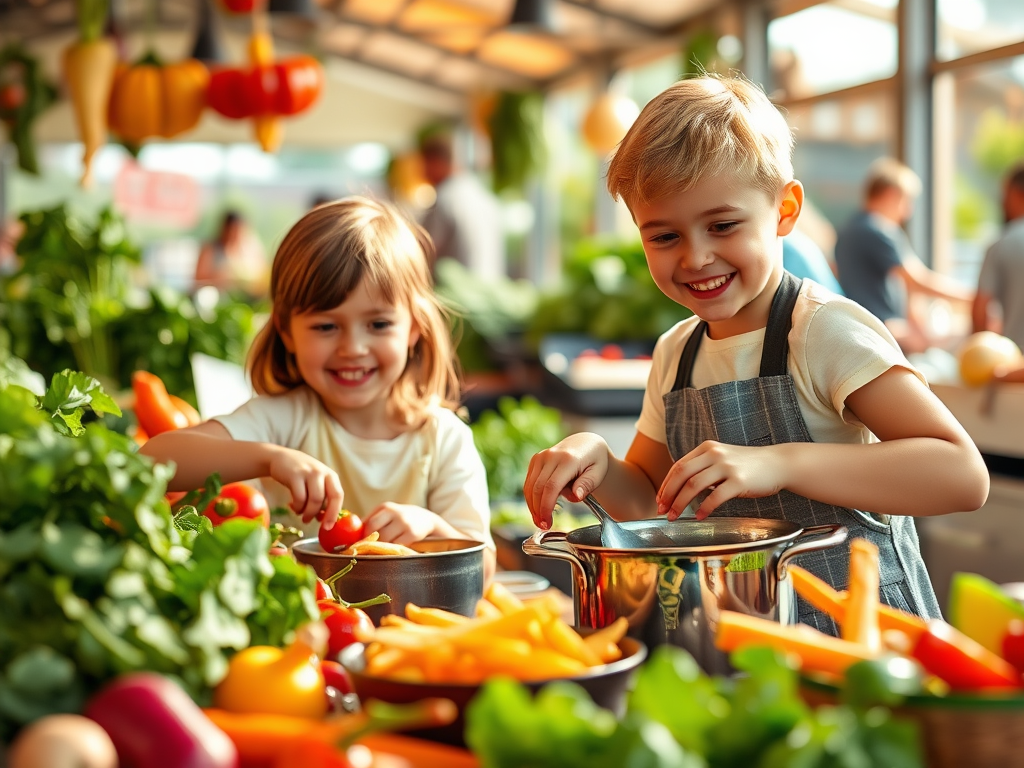
Raising grateful eaters through habits, not lectures
“Finish your vegetables!”
“There are kids who don’t even have enough to eat!”
“Don’t waste food!”
Sound familiar?
While these phrases come from a place of love and concern, they often lead to sighs, eye-rolls—or worse, food resentment. If your goal is to raise kids who appreciate the value of food, it’s better done through small, consistent habits than guilt or lectures.
Here’s how to turn food into something kids respect and even feel grateful for.
1. Involve Them in the Process
Let your child:
- Pick vegetables from the store or market
- Wash rice or dal before cooking
- Stir batter or set the table
Why it works?: When kids feel ownership over meals, they’re less likely to waste them and more curious about eating them.
2. Talk About Where Food Comes From
Turn casual mealtime chats into teachable moments:
- “These tomatoes were grown on a farm just outside the city.”
- “Do you know how long it takes to grow rice?”
- “Your dosa batter fermented overnight like magic!”
Why it works?: Kids become aware of the effort behind food—turning meals into something they respect.
3. Get Creative with Plating
Use cookie cutters to shape chapatis or arrange veggies into smiley faces. Add color with carrot sticks or beetroot puree.
Why it works?: Presentation makes food fun. If they look forward to how food looks, they’ll pay more attention to how it tastes.
4. Introduce Cultural Foods with Stories
Share mini stories behind your traditional meals:
- Pongal during Thai Pongal
- Lemon rice as temple prasadam
- Curd rice as grandma’s favorite
Why it works?: This creates emotional value for food beyond the plate.
5. Celebrate Leftovers
Let them help transform yesterday’s sambar into today’s idiyappam topping or leftover paratha into a roll.
Why it works?: It builds creativity and teaches that food isn’t disposable—it’s adaptable.
6. Lead by Example
When you speak positively about food, your child listens. Avoid saying “Ugh, I hate this vegetable” and replace it with “I didn’t like this as a kid, but now I enjoy it!”
Why it works?: Kids model behavior. The way you talk about food becomes their internal voice too.
7. Make Thankfulness a Ritual
Before a meal, encourage a simple habit like:
- “Let’s thank the farmer, the cook, and everyone who brought this food to us.”
- “Name one thing on your plate you’re grateful for.”
Why it works?: Over time, this small moment builds deep gratitude and food respect.
Make Appreciation a Lifestyle, Not a Lecture
Helping your child appreciate food is not about pushing rules—it’s about nurturing wonder, participation, and mindfulness. When they connect with what’s on their plate, every bite becomes more meaningful.
And while you’re teaching food values at home, let us handle lunch with care that mirrors yours.
🍱 At Mealhey, we deliver fresh, balanced, vegetarian school lunches—cooked with the same heart you’d use at home.
👉 Join The Mealhey Club and let your child experience meals they’ll never take for granted.
 The Mealhey Journal
Leave a comment