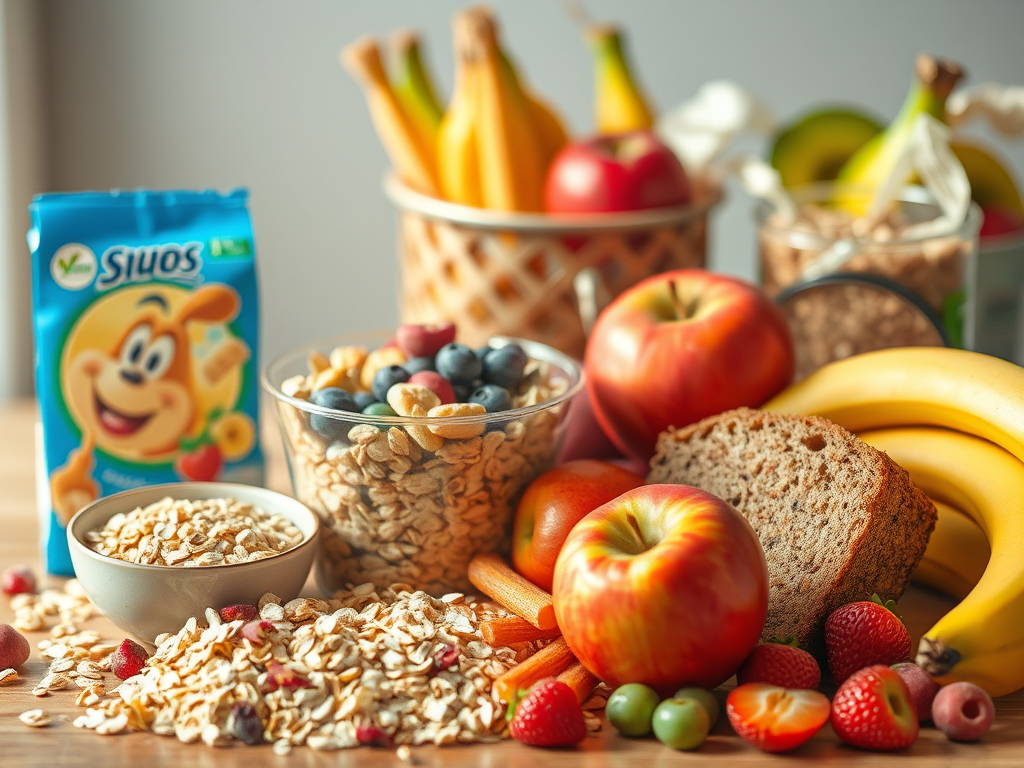
How Much Is Too Much—and What You Can Do About It?
Sugar is everywhere. From breakfast cereals and flavored yogurts to juices and even “healthy” snack bars, added sugar sneaks into your child’s diet more often than you think.
But how much is okay? What’s the difference between natural and added sugar? And how does sugar actually impact your child’s body and mind?
Let’s break it down—without the scare tactics—so you can make better, balanced choices for your growing child.
How Much Sugar Is Too Much?
According to the World Health Organization, children aged 2–18 should consume less than 25 grams (6 teaspoons) of added sugar per day.
But most kids in urban areas easily exceed this—sometimes before lunch!
Hidden sugar culprits include:
- Packaged fruit juices
- Breakfast cereals
- Flavored milk and yogurts
- Bakery items and snack bars
- Ketchup, sauces, and salad dressings
- Chocolates, cookies, and biscuits
Even seemingly harmless foods can add up fast.
What Happens When Kids Consume Too Much Sugar?
Short-term, sugar may give a temporary energy boost. But it comes at a cost:
The Sugar Spike-Crash Cycle:
- Quick rise in energy (hyperactivity, restlessness)
- Sharp crash (fatigue, irritability, difficulty focusing)
- Cravings for more sugar
This rollercoaster affects not just your child’s body, but also their mood, attention, and learning capacity.
The Brain-Sugar Link
Too much sugar has been linked to:
- Poor concentration in school
- Mood swings and anxiety
- Sleep disturbances
- Inflammation, which can affect immunity and digestion
Sugar overload may also dull taste preferences over time — meaning kids find fruits and veggies “boring” compared to sweetened foods.
Natural vs. Added Sugars
Natural Sugars (like those in fruits and milk) are paired with fiber, vitamins, and minerals.
Added Sugars (from syrups, sweeteners, etc.) offer zero nutrition and are often hidden in processed foods.
Examples:
- ✅ Apple = natural sugar + fiber = good
- ❌ Packaged apple juice = added sugar, no fiber = not so good
What You Can Do as a Parent
You don’t need to ban sugar completely. It’s about balance, awareness, and small changes.
Here are a few practical swaps:
| Instead of… | Try… |
|---|---|
| Sugary cereals | Rolled oats with fruit and honey |
| Chocolate bars | Homemade laddoo or energy bites |
| Packaged juice | Fresh coconut water or diluted fresh juice |
| Flavored yogurt | Plain curd with banana or dates |
| White bread jam sandwich | Nut butter on multigrain toast |
Also:
- Read nutrition labels (look for “sugar,” “syrup,” “fructose,” “glucose”)
- Offer water instead of juice or soft drinks
- Keep sweets as occasional treats, not everyday rewards
Final Thought: Sweet Moments, Smarter Choices
Your child doesn’t need a sugar-free life. They need a smartly-sweet one.
Creating awareness about sugar is a long-term gift — it protects their health, sharpens their focus, and builds a foundation for a better relationship with food.
Let Mealhey Help You Cut the Sugar Load
At Mealhey, we’re committed to using natural ingredients and balanced recipes — with no unnecessary sugar or artificial sweeteners.
Every lunchbox is crafted to fuel your child’s day the right way.
👉 Subscribe to Mealhey and say goodbye to surprise sugar spikes in school lunches.
📬 More Smart Food Advice?
Explore The Mealhey Journal for more real-talk on food, parenting, and happy lunchboxes.
 The Mealhey Journal
Leave a comment